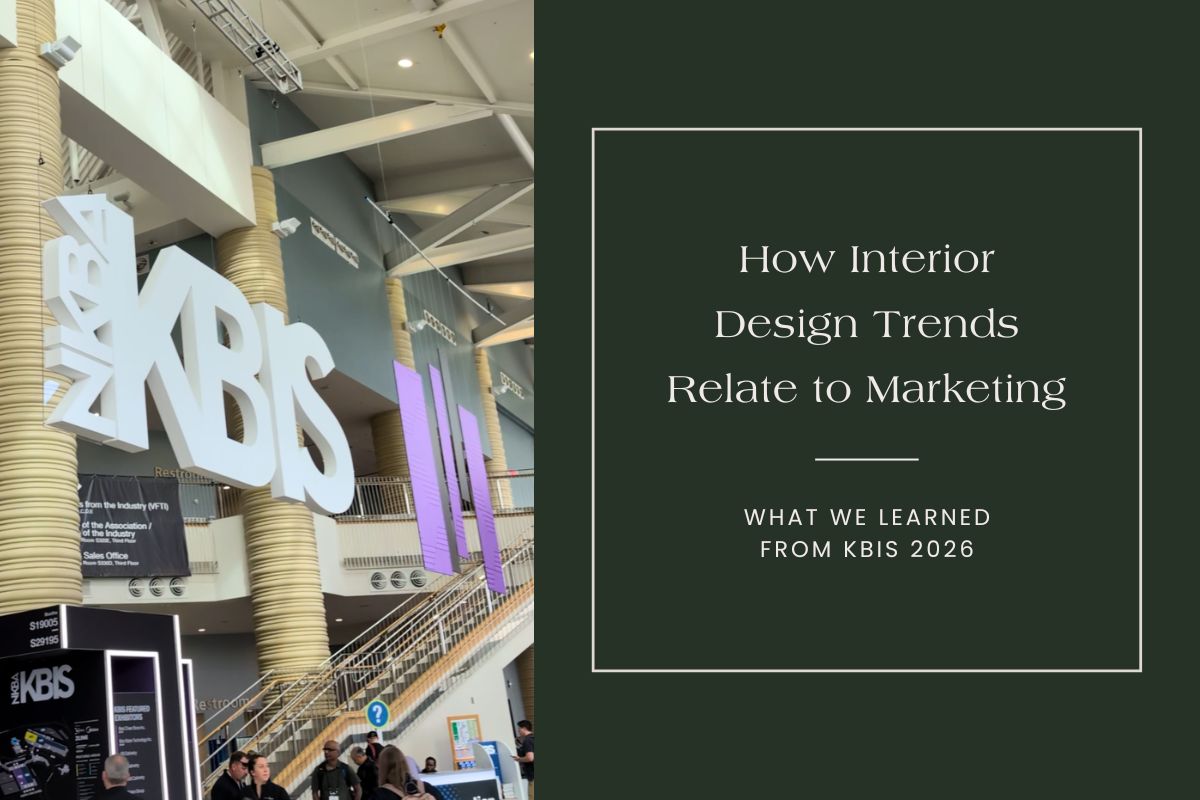
How Interior Design Trends Relate to Marketing: What We Learned from KBIS 2026
How alignment across brand, marketing, and systems is shaping stronger, more sustainable growth
Attending KBIS in Orlando this year was both energizing and clarifying.
Beyond the scale of the event and the innovation on display, what stood out most was the level of intention behind the brands that felt the strongest. There was a clear connection between what they created, how they presented it, and how they made people feel.
That kind of alignment is not accidental; it’s built.
Traditional Design & Craftsmanship
What do these mean for your brand?
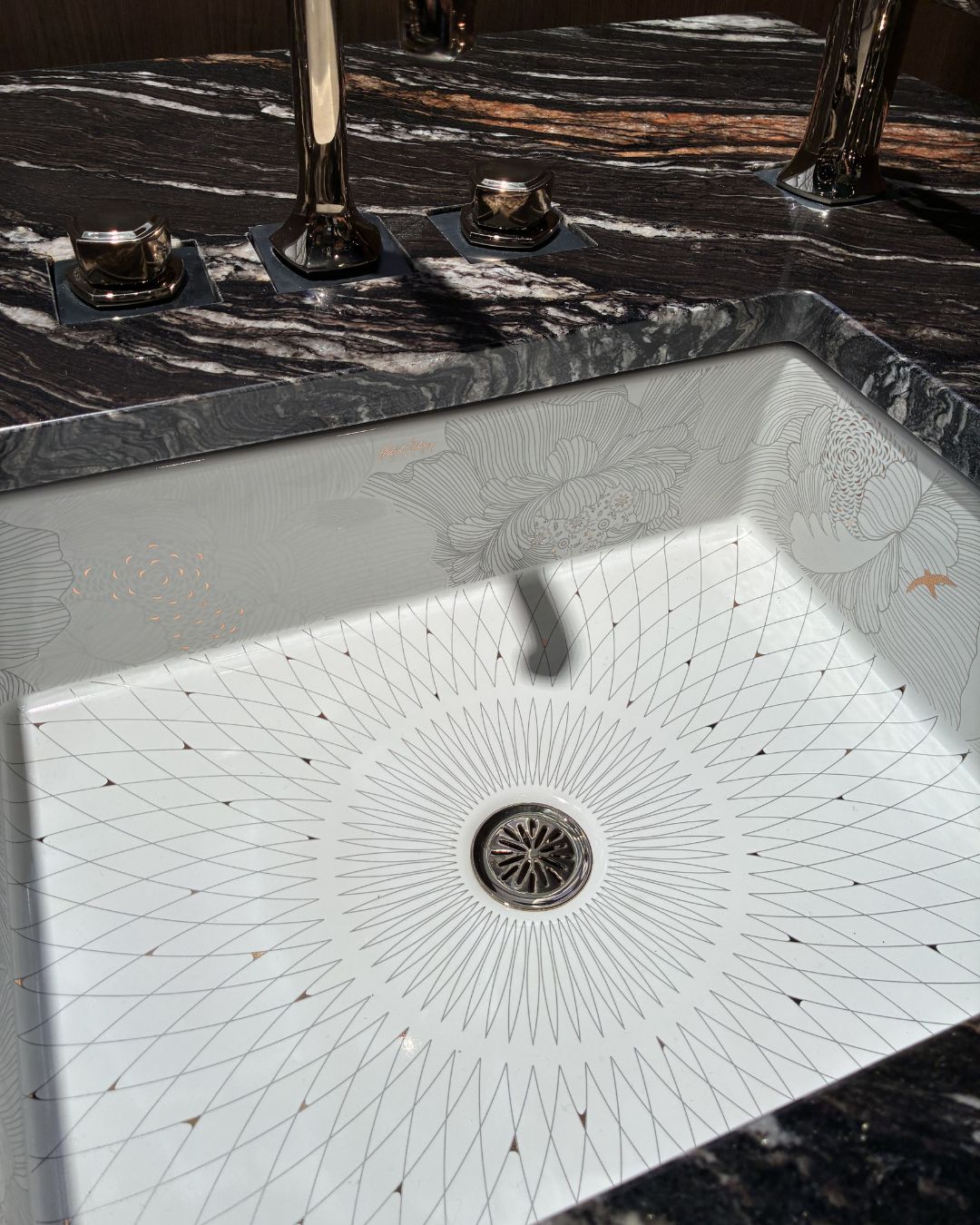
One of the most noticeable shifts at KBIS was the return of traditional design. Craftsmanship, detail, and timeless elements were everywhere.
It was a reminder that while trends evolve, strong foundations do not.
The same is true in marketing.
No matter how quickly platforms or tools change, the core principles remain steady. Clear messaging, thoughtful design, and well-built content still matter. Whether it’s a website, email, or social post, the quality behind it is felt.
Craftsmanship isn’t limited to physical spaces. It exists in the digital experience, too.
Color & Emotional Branding
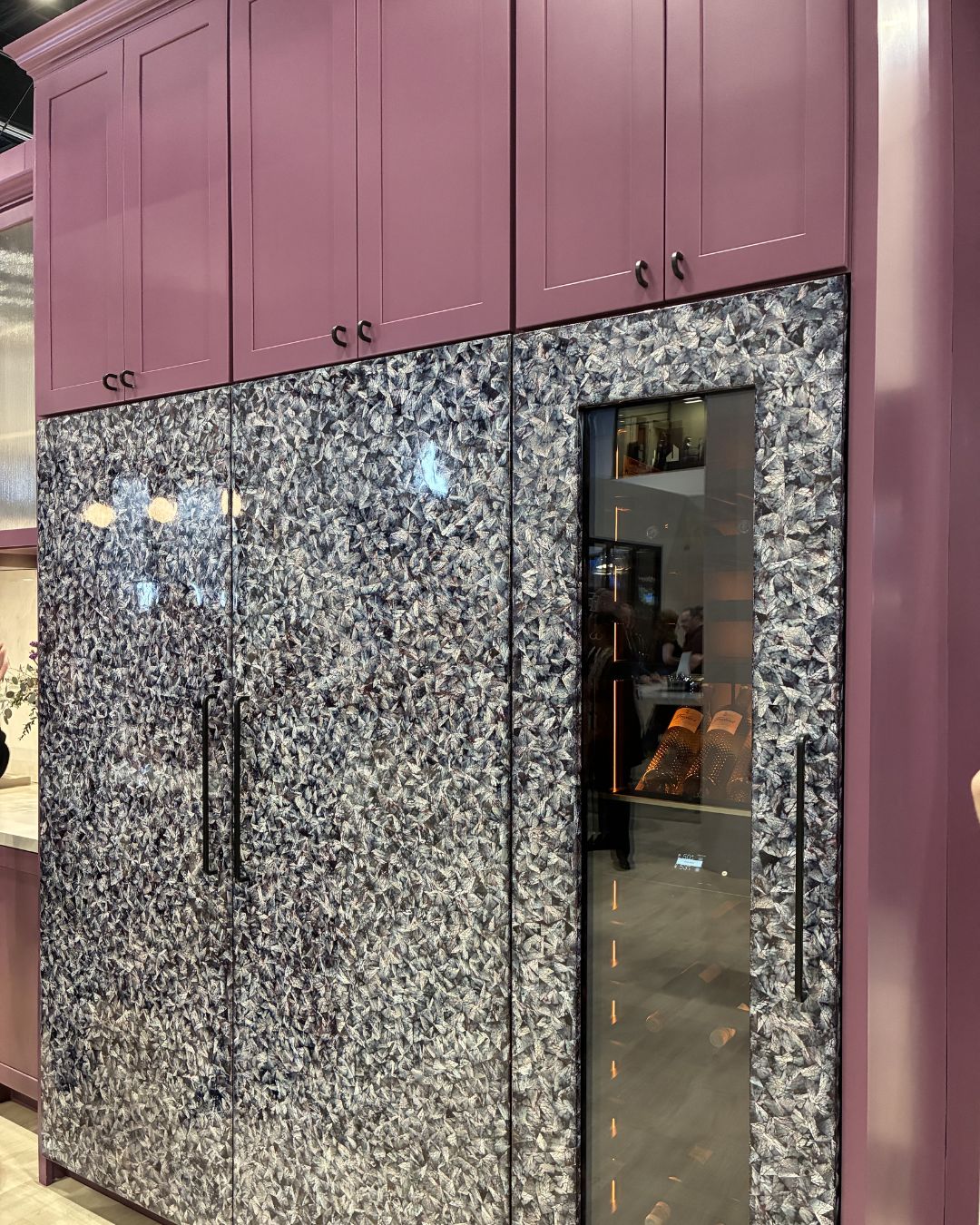
Designs that make you feel something.
Color was everywhere at KBIS. Some spaces felt dark and moody, others bright and energetic, and each created a distinct emotional experience.
The difference wasn’t just aesthetic. It was intentional.
The brands that stood out knew exactly who they were and communicated that clearly across every touchpoint. Their visuals, messaging, and environment all worked together.
That same level of clarity is what creates connection in marketing.
It’s not about changing surface-level details. It’s about understanding who you are as a business, what you stand for, and how you want your clients to feel, then aligning everything around that.
Natural Elements & Authenticity
People are craving what feels real.
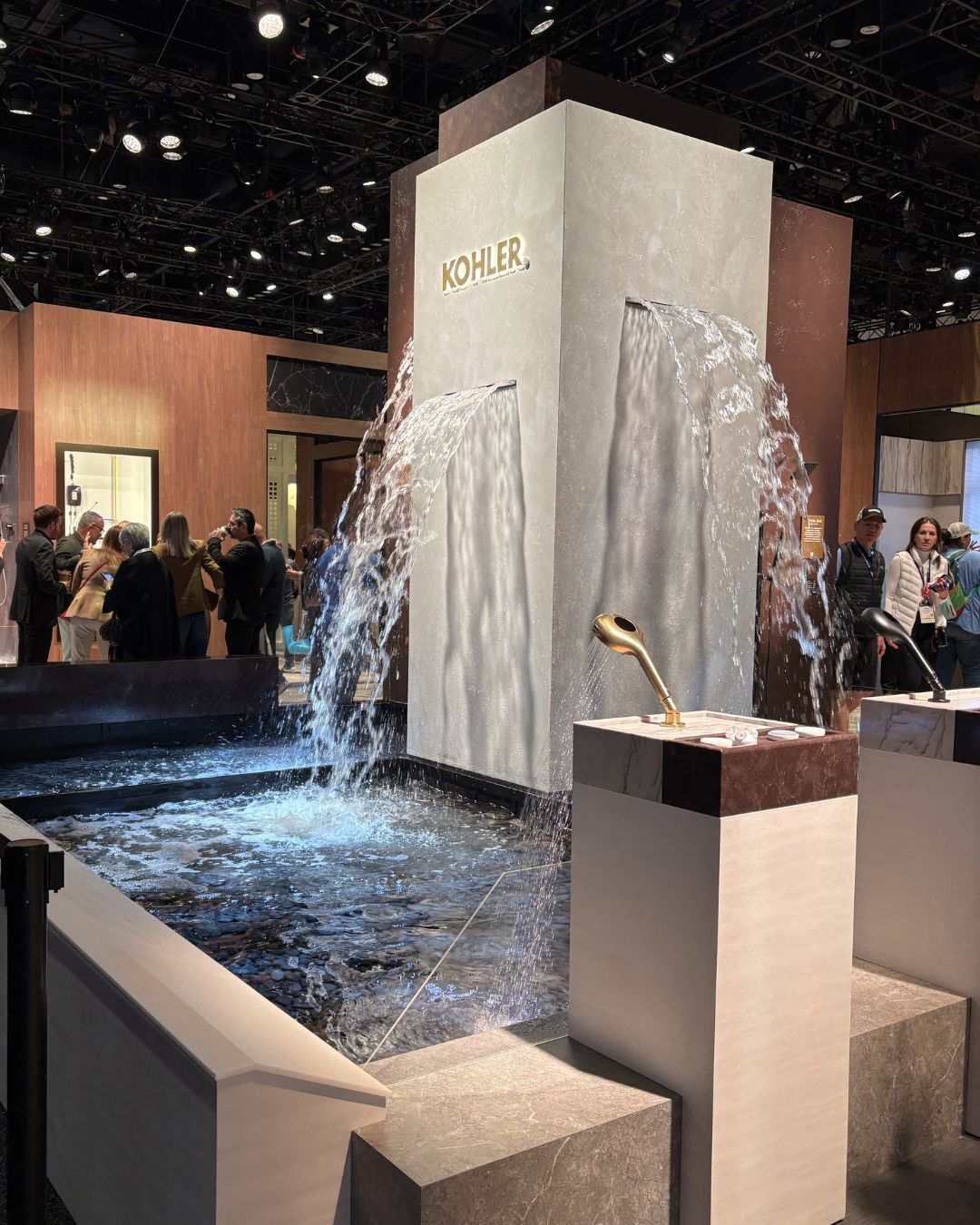
There was a strong presence of natural elements throughout the show. Texture, movement, and materials that invited interaction.
Stone that needed to be touched. Water that could be heard. Spaces that felt layered and lived in.
It reinforced something we’re seeing across the industry: people are drawn to what feels real.
In marketing, that translates to experiences that go beyond surface-level visuals. It means creating a presence that feels grounded, thoughtful, and human, not overly polished or disconnected.
Technology & Systems
Intended to support, not complicate.
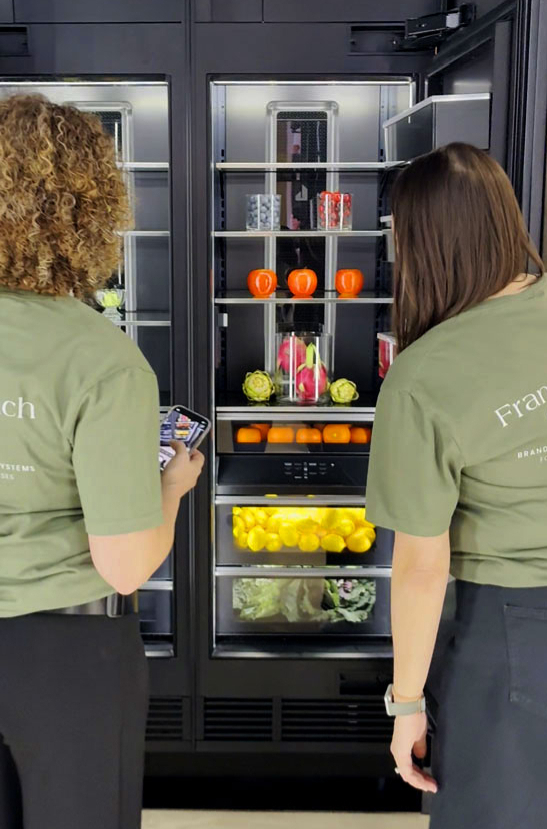
There was no shortage of innovation at KBIS, but the most compelling technology wasn’t there just to impress. It was designed to make everyday life easier.
That’s the same role technology should play in your business.
From your website to your inquiry process to your internal systems, everything should feel clear, functional, and easy to navigate. When done well, it builds confidence before a conversation even begins.
When it’s clunky or confusing, it creates hesitation.
Technology should simplify the experience, not add friction.
Relationships & Human Connection
Still the driving force behind growth.
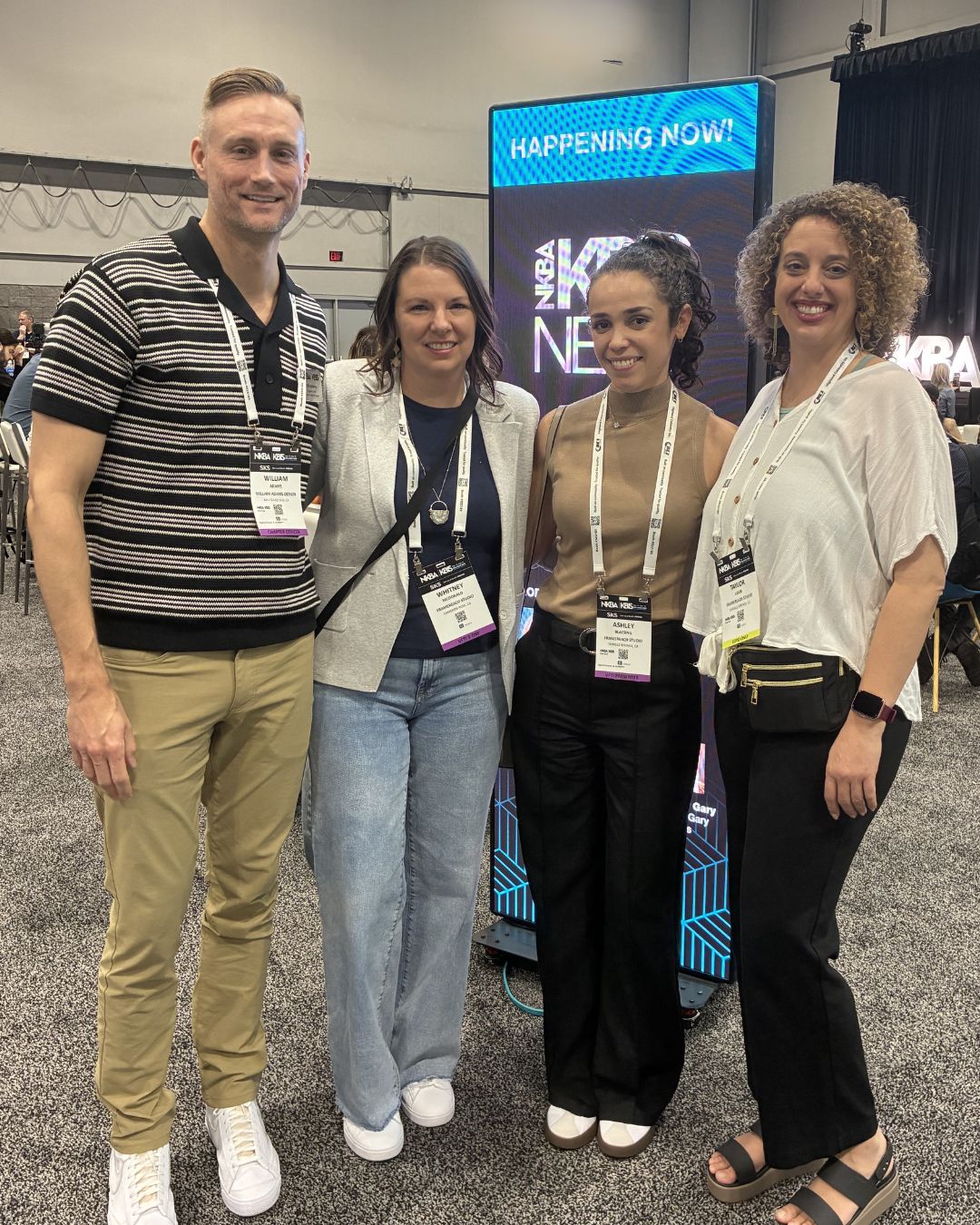
In a space where AI and automation are becoming more common, KBIS was also a strong reminder of something simple: people still choose people.
The conversations we had, both new and familiar, were some of the most valuable parts of the experience. They reinforced how important relationships are in an industry built on trust.
Interior design and design-build work is deeply personal. Clients are inviting you into their homes, their routines, and their lives.
That level of trust is built through human connection.
Technology can support that, but it should never replace it. The strongest businesses are using tools in a way that allows them to spend more time building real relationships, not less.
A Clear Takeaway
Interior designers can create alignment for sustainable business growth.
KBIS didn’t just showcase what’s next in design.
It reinforced what has always mattered.
Clarity. Consistency. Intention. And alignment across every part of a business.
The brands that stood out weren’t doing more. They were doing things in a way that felt cohesive, thoughtful, and true to who they are.
That’s what creates a lasting impression.
And it’s the same approach that supports sustainable growth over time.